Nutrition Facts
Serving Size: 100g
Calories254
Total Fat11.0g
Saturated Fat2.6g
Total Carbs27.0g
Fiber3.7g
Sugars4.1g
Protein9.9g
Macro Breakdown
Health Scores (0-10)
6.1
Metabolic
5.3
Inflammation
4.6
Hormonal
6.6
Gut Health
4.6
Skin Health
4.5
Brain Health
5.0
Bone Health
5.0
Immunity
7.8
Satiety
5.0
Nutrient Density
6.5
Exercise
5.0
Sleep
5.9
Longevity
4.6
Detox
5.0
Pral
5.0
Bioavailability
5.0
Electrolyte
5.0
Methylation
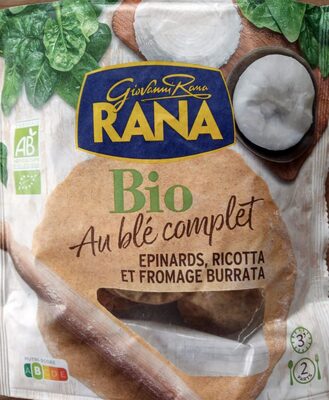
🧬 How Ravioli bio au blé complet épinards ricotta burrata Affects Your Health
Muscle Support
9.9g protein per 100g. Good for muscle repair.
Sustained Energy
27g carbs with 3.7g fiber — steady energy release.
Heart-Healthy Fats
11g fat, mostly unsaturated. Supports hormone production and vitamin absorption.
Complete Nutrient Profile
| Nutrient | Amount / 100g | % Daily Value |
|---|---|---|
| Energy Kcal | 254.0 g | — |
| Protein | 9.9 g | — |
| Total Fat | 11.0 g | — |
| Saturated Fat | 2.6 g | — |
| Carbohydrate | 27.0 g | — |
| Fiber | 3.7 g | — |
| Sugar | 4.1 g | — |
Compare Ravioli bio au blé complet épinards ricotta burrata With...
Babyfood, green beans, dices, toddler
123 calBabyfood, peas, dices, toddler
268 calBeans, adzuki, mature seed, cooked, boiled
536 calBeans, adzuki, mature seeds
992 calBeans, adzuki, mature seeds, cooked, boiled
536 cal
123 calBabyfood, peas, dices, toddler
268 calBeans, adzuki, mature seed, cooked, boiled
536 calBeans, adzuki, mature seeds
992 calBeans, adzuki, mature seeds, cooked, boiled
536 cal
Frequently Asked Questions
How does Ravioli bio au blé complet épinards ricotta burrata support gut health?
Ravioli bio au blé complet épinards ricotta burrata contains 3.7g of fiber per 100g (13% DV). Fiber feeds beneficial gut bacteria, which produce short-chain fatty acids (butyrate) that reduce inflammation, strengthen the gut barrier, and improve insulin sensitivity.
Does Ravioli bio au blé complet épinards ricotta burrata contain anti-nutrients?
Phytates (reduce zinc, iron, calcium absorption 20-60%). Lectins (can irritate gut lining — destroyed by proper cooking). Soaking 12-24h reduces phytates 30-50%. Cooking destroys lectins and protease inhibitors. Fermentation (tempeh, miso) reduces all anti-nutrients. Sprouting increases nutrient bioavailability. Benefits (fiber, protein, minerals) far outweigh anti-nutrient concerns for most people.